

How to Lower A1C: 8 Proven Ways to Bring Your Blood Sugar Down
Practical, evidence-based ways to lower your A1C through activity, weight loss, smarter carbs, sleep and medication, with an A1C chart, realistic timelines and a 12-week plan.
Table of Contents 15 sections
- First, understand your number
- How long does it take to lower A1C?
- 1. Move more, especially after meals
- 2. Lose weight if you have extra to lose
- 3. Rethink carbohydrates, without fearing them
- 4. Eat more fiber and protein
- 5. Prioritise sleep and manage stress
- 6. Take medicines as prescribed
- 7. Monitor and learn your patterns
- 8. Limit alcohol and stop smoking
- What about supplements and "quick fixes"?
- How much can A1C drop?
- A simple 12-week plan
- How to use this guide
- Frequently asked questions
If your latest blood test came back with a high A1C, you are far from alone, and the number is not fixed. A1C reflects your average blood sugar over the past two to three months, so steady changes in what you eat, how much you move, how you sleep and how you take your medicines will show up in your next result. This guide explains how to lower A1C with practical, evidence-based steps, what a realistic drop looks like, and how long it takes. It is general information, not medical advice: if you have diabetes or take glucose-lowering medicine, plan any changes with your doctor.
First, understand your number
A1C measures the share of hemoglobin in your red blood cells that has glucose attached. Under 5.7% is normal, 5.7% to 6.4% is prediabetes, and 6.5% or higher (confirmed) is in the diabetes range. Many adults with diabetes aim for below 7%. Each 1% of A1C corresponds to roughly 29 mg/dL (1.6 mmol/L) of average glucose, so going from 8% to 7% means your average blood sugar has fallen from about 183 to about 154 mg/dL. Use the A1C calculator to convert your own result.
| A1C (%) | A1C (mmol/mol) | eAG (mg/dL) | eAG (mmol/L) | Range |
|---|---|---|---|---|
| 5.0 | 31 | 97 | 5.4 | Normal |
| 5.5 | 37 | 111 | 6.2 | Normal |
| 5.7 | 39 | 117 | 6.5 | Prediabetes |
| 6.0 | 42 | 126 | 7.0 | Prediabetes |
| 6.4 | 46 | 137 | 7.6 | Prediabetes |
| 6.5 | 48 | 140 | 7.8 | Diabetes |
| 7.0 | 53 | 154 | 8.6 | Diabetes |
| 7.5 | 58 | 169 | 9.4 | Diabetes |
| 8.0 | 64 | 183 | 10.2 | Diabetes |
| 8.5 | 69 | 197 | 10.9 | Diabetes |
| 9.0 | 75 | 212 | 11.8 | Diabetes |
| 9.5 | 80 | 226 | 12.5 | Diabetes |
| 10.0 | 86 | 240 | 13.3 | Diabetes |
| 11.0 | 97 | 269 | 14.9 | Diabetes |
| 12.0 | 108 | 298 | 16.5 | Diabetes |
How long does it take to lower A1C?
Red blood cells live for around three months, so A1C changes gradually. Recent weeks count most, so you may see some movement within six weeks, but the full effect of a change usually shows after about three months. That is why doctors typically retest every three months when treatment changes. Day-to-day glucose readings respond much faster, often within days, so a meter or continuous glucose monitor (CGM) can show whether you are heading in the right direction long before the next lab test.
1. Move more, especially after meals
Working muscles pull glucose out of the blood, both during activity and for hours afterwards, and regular exercise improves insulin sensitivity. Guidelines for adults with diabetes recommend at least 150 minutes a week of moderate activity, such as brisk walking or cycling, spread over at least three days, plus two or three sessions of strength training. Studies of structured exercise programmes in type 2 diabetes have reported average A1C reductions in the region of 0.5 to 0.7 percentage points.
- Walk after meals. Even 10 to 15 minutes of walking after eating can blunt the post-meal glucose spike.
- Break up sitting. Stand or move for a few minutes every 30 to 60 minutes.
- Add resistance training. Squats, push-ups, bands or weights build muscle, which is the body's largest glucose store.
Estimate what your workouts burn with the calories burned calculator.
2. Lose weight if you have extra to lose
Excess body fat, especially around the waist and in the liver, makes the body more resistant to insulin. Losing 5% to 10% of body weight often improves A1C noticeably, and larger losses can bring some people with type 2 diabetes into remission. In the Diabetes Prevention Program, people with prediabetes who lost around 7% of their weight and exercised 150 minutes a week cut their risk of developing type 2 diabetes by 58%. Check your starting point with the BMI calculator and plan a sustainable intake with the calorie deficit calculator.
3. Rethink carbohydrates, without fearing them
Carbohydrate has the biggest direct effect on blood sugar, so both the amount and the type matter.
- Watch portions of starchy foods such as rice, bread, pasta, potatoes and cereal. The plate method helps: fill half your plate with non-starchy vegetables, a quarter with protein and a quarter with starchy carbohydrate.
- Choose high-fiber carbs. Beans, lentils, whole grains, vegetables and whole fruit raise blood sugar more slowly than refined grains.
- Cut sugary drinks. Soda, juice, sweet tea and specialty coffees send glucose up fast. Swap them for water, sparkling water or unsweetened drinks.
- Eat carbs with protein, fat or fiber to slow absorption. Some people find eating the vegetables and protein first, and the starch last, lowers the spike.
- Consider a lower-carbohydrate pattern if it suits you. Reduced-carbohydrate eating has good evidence for lowering glucose, but if you take insulin or sulfonylureas, talk to your doctor first because doses may need adjusting to avoid lows.
Our macro calculator can help you set protein, carbohydrate and fat targets.
4. Eat more fiber and protein
Fiber slows digestion and the release of sugar into the blood, and it keeps you full. Most adults eat far less than the 25 to 38 grams a day commonly recommended. Protein at each meal also steadies blood sugar and helps preserve muscle while losing weight. The protein calculator shows a sensible daily target.
5. Prioritise sleep and manage stress
Short or poor sleep raises insulin resistance and appetite hormones, and chronic stress keeps cortisol elevated, which pushes glucose up. Aim for seven to nine hours a night on a regular schedule. Untreated sleep apnea is common in people with type 2 diabetes and worsens glucose control, so mention snoring or daytime sleepiness to your doctor. Simple stress tools such as walking outdoors, breathing exercises and limiting late-night screens help many people.
6. Take medicines as prescribed
For many people, lifestyle changes alone are not enough, and that is not a failure. Diabetes medicines such as metformin, GLP-1 receptor agonists, SGLT2 inhibitors and insulin lower A1C, often by around 1 percentage point or more depending on the drug and the starting level. Missing doses is one of the most common reasons A1C stays high. Use a pill organiser or phone reminders, and if side effects or cost make a medicine hard to take, tell your doctor; there is usually an alternative. Never stop or change a dose without medical advice.
7. Monitor and learn your patterns
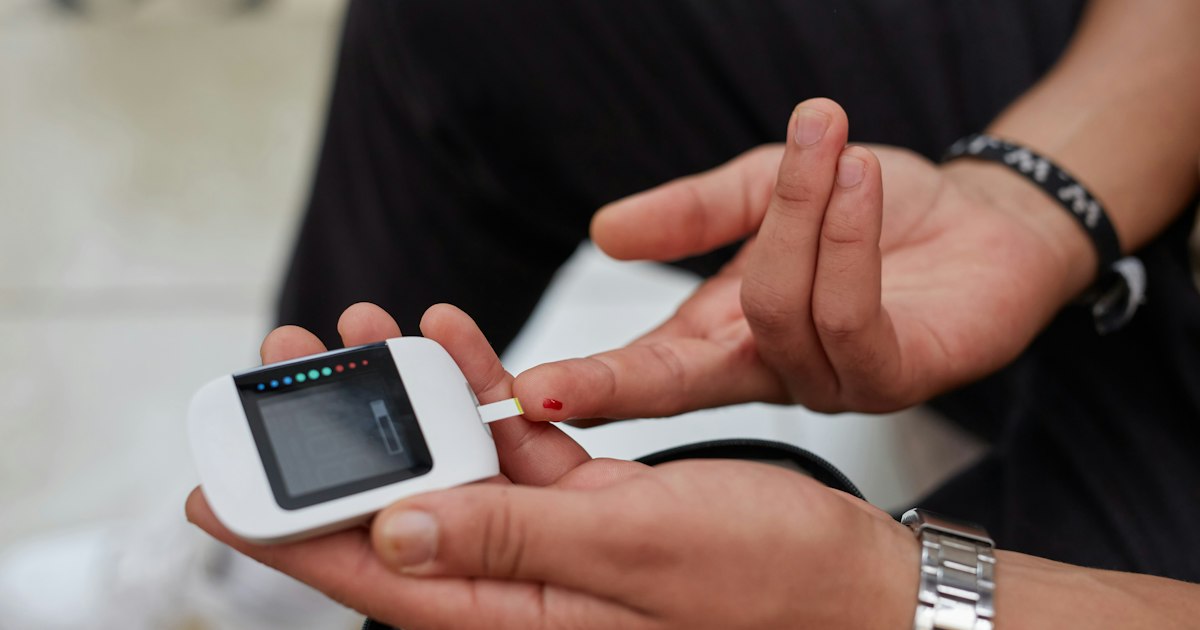
Checking glucose with a meter or CGM shows how specific meals, activities and sleep affect you personally. People often discover that a particular breakfast or late-night snack is driving their numbers. Bring your readings to appointments so your care team can fine-tune treatment.
8. Limit alcohol and stop smoking
Alcohol can cause both highs (from sugary mixers) and delayed lows, especially with insulin or sulfonylureas, so drink in moderation and with food if at all. Smoking increases insulin resistance and greatly raises the risk of diabetes complications; quitting is one of the best things you can do for long-term health.
What about supplements and "quick fixes"?
You will see claims that cinnamon, apple cider vinegar, berberine, chromium or bitter melon can lower A1C. Some have small effects in studies, but results are inconsistent, products vary in quality, and some interact with medicines. They are not a substitute for proven steps. There is no safe way to lower A1C in a few days; be wary of any product that promises it, and check with your pharmacist or doctor before trying a supplement.
How much can A1C drop?
It depends on your starting point. The higher your A1C, the more room it has to fall. Someone starting at 9% or above can often see a drop of 1 to 2 percentage points or more over a few months with a combination of lifestyle changes and medication, while someone at 6% will see smaller changes. As a rough guide, each 1 percentage-point reduction in A1C has been linked in large studies with a meaningful reduction in the risk of eye, kidney and nerve complications. Every bit of progress counts.
A simple 12-week plan
- Week 1: get your baseline A1C, weight and waist measurement. Talk to your doctor about your target.
- Weeks 1 to 2: swap sugary drinks for water, and add a 10-minute walk after your largest meal.
- Weeks 3 to 4: use the plate method at lunch and dinner; add one high-fiber food to each meal.
- Weeks 5 to 8: build up to 150 minutes of activity a week and two strength sessions; aim for a steady weight loss of 0.5 to 1 kg (1 to 2 lb) a week if needed.
- Weeks 9 to 12: tighten sleep habits, review your glucose readings, and keep going.
- Week 12: retest A1C and review the result with your doctor.
How to use this guide
Work through the steps in order with your own numbers, writing each result down as you go, then check your answer against the matching calculator on this site. If your hand calculation and the calculator disagree, the usual culprits are unit conversions, rounding, and a percentage typed as a whole number instead of a decimal. The examples are illustrations, not recommendations, and your situation may call for different assumptions. For important financial or health decisions, confirm your plan with a licensed professional who knows your circumstances. This article is reviewed periodically and was last updated in November 2026.
Frequently asked questions
How can I lower my A1C quickly?
A1C reflects about three months of blood sugar, so there is no safe overnight fix. The fastest steady progress comes from combining regular activity, weight loss if needed, fewer refined carbohydrates and sugary drinks, good sleep and taking prescribed medicine consistently.
Can you lower A1C without medication?
Many people with prediabetes or early type 2 diabetes lower A1C with diet, exercise and weight loss alone. Others need medicine as well. Your doctor can advise which applies to you.
How much can A1C drop in 3 months?
It depends on your starting level and the changes you make. People with a high A1C often see a fall of 1 percentage point or more in three months with lifestyle changes and medication, while smaller drops are typical from lower starting points.
What foods lower A1C?
No single food lowers A1C, but a pattern rich in non-starchy vegetables, legumes, whole grains, nuts, lean protein and healthy fats, with fewer refined carbs and sugary drinks, lowers average blood sugar over time.
Does walking lower A1C?
Yes. Regular walking improves insulin sensitivity, and a short walk after meals reduces blood sugar spikes. Aim for at least 150 minutes of moderate activity a week.
What is a good A1C to aim for?
Below 5.7% is normal. Many adults with diabetes aim for below 7%, but the right target depends on your age and health, so agree on it with your doctor.
This A1C calculator gives an educational estimate using the ADAG study formula. It is not a diagnosis or treatment advice. A1C must be confirmed with a laboratory test, and conditions such as anemia, kidney disease, pregnancy or recent blood loss can make A1C less reliable. Talk to your doctor about your results and targets.

About the author
Sawera Shahid is the founder and lead writer of Calculators360. She builds the site's free online calculators and writes clear, step-by-step guides on finance, math and health, with every formula explained and worked examples you can check by hand.
Related posts

How to Calculate Your Due Date
Learn how to calculate your pregnancy due date with Naegele's rule, cycle length, conception date, IVF transfer…

How Many Weeks Pregnant Am I?
Find out how many weeks and days pregnant you are from your last period, due date, conception, IVF or…

How to Calculate Ovulation
Learn how to calculate your ovulation day and fertile window for any cycle length, with worked examples,…